Rubber bushings crack, compress, and lose their shape under constant load, and every replacement means downtime on equipment that was supposed to be running. Precision Urethane is a large urethane bushing manufacturer built to solve that problem, casting polyurethane bushings that hold their form under heavy loads, resist abrasion, and outlast rubber, nylon, bronze, and metal alternatives across automotive, industrial, and heavy equipment applications.
Why Polyurethane Outperforms Rubber, Nylon, Bronze, and Metal
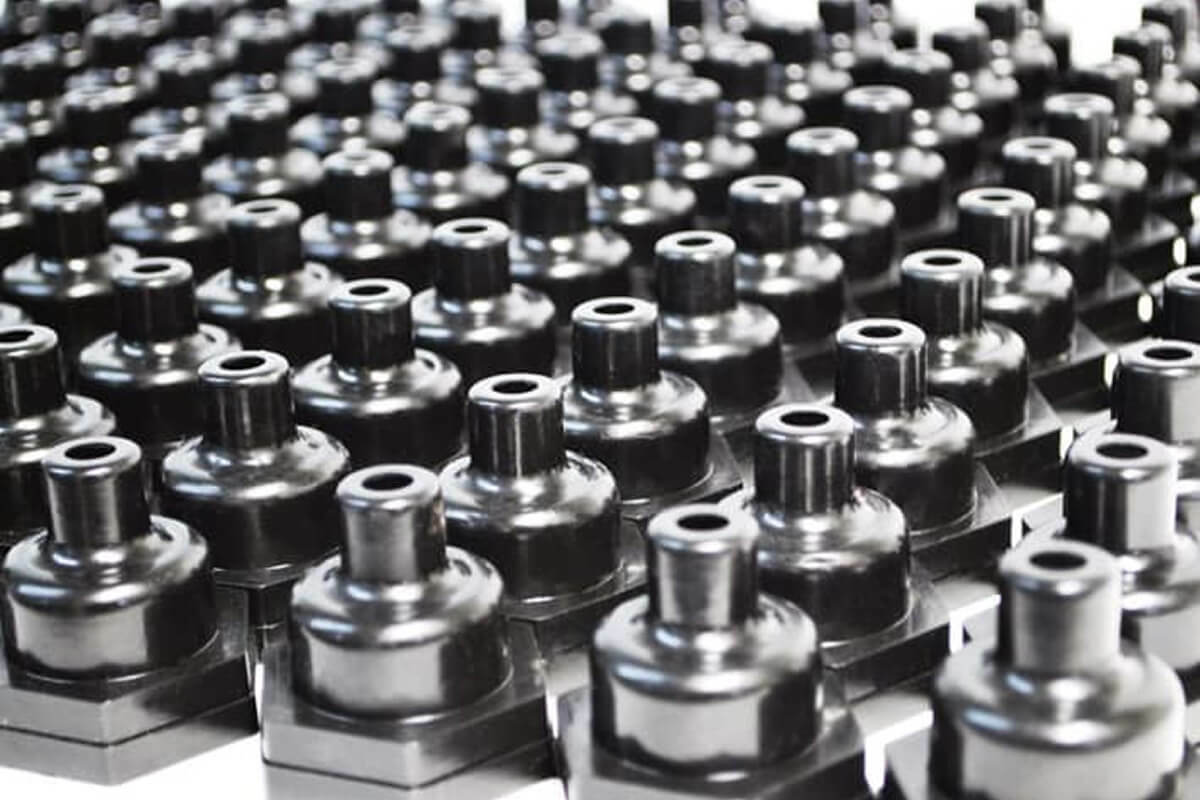
Rubber deflects and tears under sustained pressure. Nylon and bronze wear down faster under friction and offer little vibration dampening. Metal transmits shock instead of absorbing it. Polyurethane bridges the gap: it carries higher load without deforming, dampens vibration the way rubber does, and resists oils, chemicals, and abrasion the way metal can't. That combination is why a large urethane bushing manufacturer like Precision Urethane can serve applications where rubber and metal both fall short.
Durometer, Shapes, and Custom Polyurethane Bushings
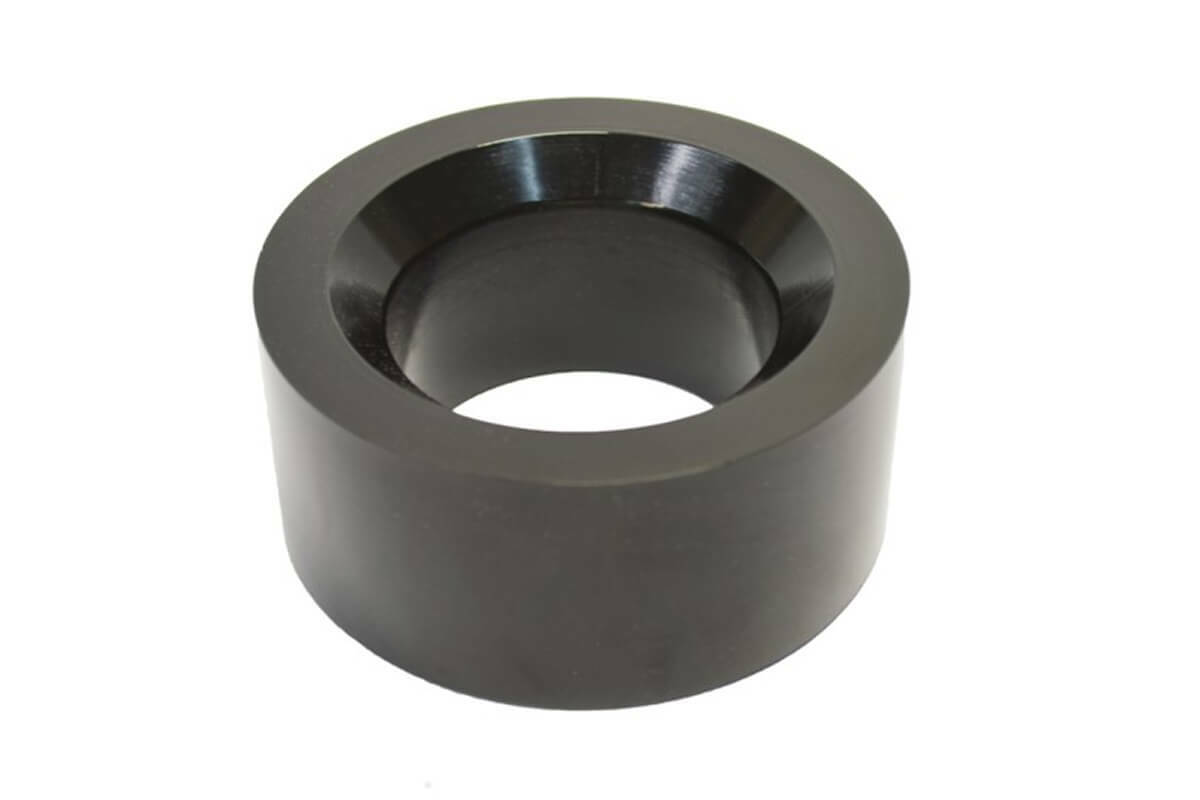
Precision Urethane casts custom polyurethane bushings across a range of durometers, from softer formulations that prioritize vibration dampening to harder compounds built for load-bearing stability. Standard and metal-bonded configurations are available in cylindrical, flanged, tapered, and fully custom shapes, sized from small precision components to industrial parts exceeding 2,000 pounds. Specifying a custom bushing starts with the application: load, deflection tolerance, operating environment, and mounting configuration all shape the design before it goes into mold manufacturing.
Industries That Run on Precision Urethane Bushings
Polyurethane bushings show up wherever equipment takes repeated stress and needs to keep working. Automotive and motorsports teams use them in control arms, sway bars, and motor mounts for tighter handling than factory rubber allows. Heavy machinery, construction, and industrial equipment rely on them in excavators, loaders, and hydraulic presses, where debris and constant impact wear parts down fast.
Oil and gas, mining, agriculture, and railway systems depend on the same resistance to chemicals, abrasion, and heavy vibration that makes polyurethane bushings hold up on a job site. Aerospace applications add another factor: weight. Polyurethane keeps the load capacity without the added mass metal brings. Automation and material handling setups lean on the same properties, running bushings in robotic pivots and conveyor systems that rarely stop moving.
How Precision Urethane Manufactures Custom Polyurethane Bushings
Every bushing starts with in-house tooling, so mold changes and durometer adjustments happen without waiting on an outside vendor. Precision casting holds tight dimensional tolerances on both standard and metal-bonded parts, and each run gets checked against the original spec before it ships. That process is backed by engineering support from the first drawing through production, which is why a large urethane bushing manufacturer can hold consistency across a single prototype and a full production run alike.
Get a Quote for Custom Polyurethane Bushings
Specifying the right bushing takes a few details: the application, target durometer, dimensions, mounting style, and expected load or environment. Send those specs and Precision Urethane's team will get you a quote built around the part, not a catalog substitute.


Frequently Asked Questions
How long do polyurethane bushings last compared to rubber?
Service life depends on load and environment, but polyurethane's resistance to abrasion, oils, and UV exposure typically keeps it in service well past the point where rubber has cracked or compressed out of shape. Equipment running in outdoor or chemical-heavy conditions sees the biggest gap.
Can Precision Urethane build a bushing from a print, sample, or an old worn-out part?
Yes. A dimensioned print is the fastest path to a quote, but a physical sample or a failed part works too. The engineering team can measure and reverse-engineer a match, then adjust the durometer or shape if the original design was the reason it failed.
Are there minimum order quantities for custom polyurethane bushings?
Precision Urethane casts both low-volume prototype runs and high-volume production orders from the same tooling process, so a single replacement part and a multi-thousand-unit order both go through production without a separate quote path.
What affects lead time on a custom bushing order?
Tooling is the main variable. A bushing that matches an existing mold ships faster than one needing a new mold built to spec. Durometer, size, and any secondary finishing also factor in, which is why lead time gets confirmed at the quote stage rather than quoted as a flat number.