
Polyurethane products can be found in almost every industry worldwide. Global utilization of polyurethane (PU) products is possible due to polyurethane's mechanical properties and the means in which they can be modified through different formulation adjustments and the introduction of additives designed to target and enhance specific mechanical properties to improve performance . This versatility creates a number of unique opportunities to address application specific problems, while maintaining performance characteristics unequaled in any other material.
Polyurethane elastomers span a very broad hardness range which impart a wide range of mechanical properties, making them well suited for many different applications. Hardness is the primary unit of measure for PU products and is measured on two separate scales. The Shore A scale is used for softer durometers and the Shore D scale for harder durometers (hardnesses). Examples of Cast Polyurethane Products range from sponge like drain covers (20 Shore A), Conveyors rollers (90 Shore A), to bowling balls (80 Shore D).
Molded urethane products typically contain 2-4 components consisting of a resin base, 1-2 curatives and a colorant such as a pigment or dye. Most manufacturers use meter-mix and dispense machines to mix the components into a homogeneous liquid which can then be introduced into a heated mold to create the finished product.
If you have questions or require additional information please contact us and we will be happy to provide a flexible solution.
Typical methods used to mold urethane products
Compression Molding
Liquid polyurethane is poured into an open mold and placed in a heated compression press and pressure is applied to extrude the material into all areas of the mold.
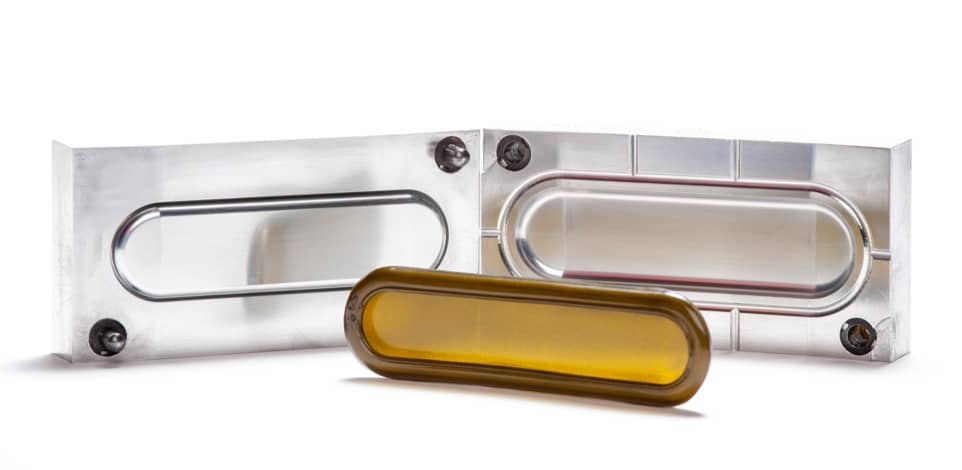
Open Cast Molding
Liquid polyurethane is poured into an open mold which is placed in an oven or on a heated table.
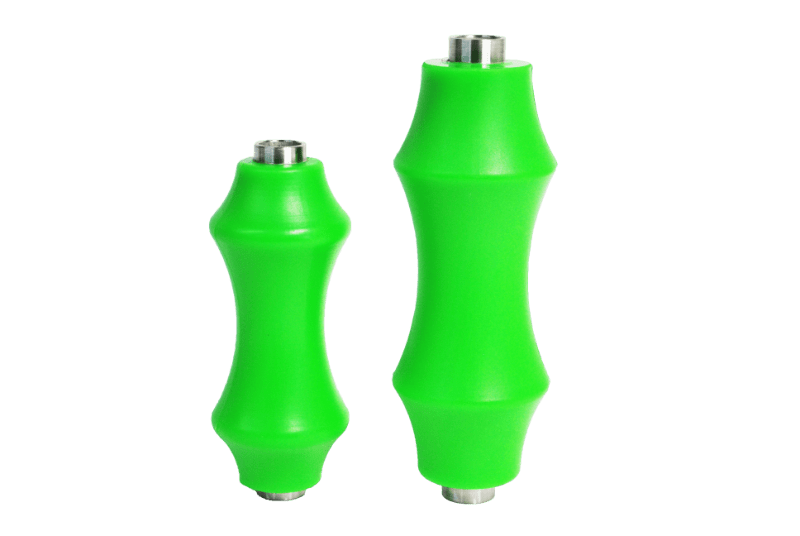
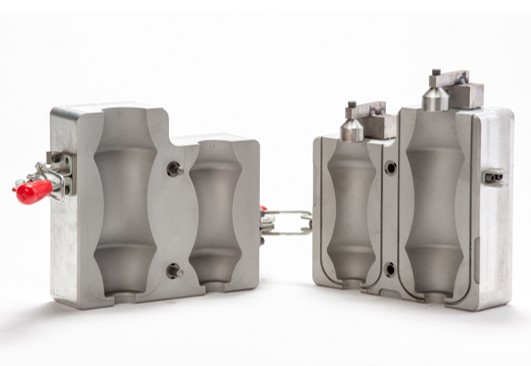
Spin Casting
Liquid polyurethane is poured into an open mold which is spinning. This process is designed to remove any air entrapped in the pouring process.
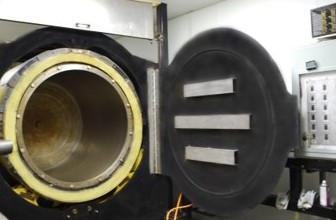
Low Pressure Injection Molding
Liquid polyurethane is injected into a closed mold which is fastened together with bleed gates designed to allow the air to bleed out of the mold in the injection process.
Physical Properties of Cast Polyurethane Products
The performance criteria of PU products is measured using data obtained from tests designed to isolate an individual characteristic of the finished material. These tests are typically run according to an established set of standards provided by an accredited organization such as the American Society for Testing and Materials (ASTM) who define the procedure in detail (www.astm.org). There are many different tests and procedures which can be performed on PU materials. The primary function of these procedures is to establish a set of predictable performance properties which can be used to design a product which will meet a predetermined set of performance requirements. Precision Urethane has developed a significant base of PU material data which we use to determine the correct material for application conditions.
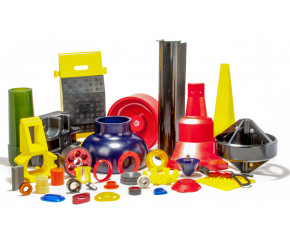
Cast Urethane Products
Manufactured using high-performance resins, curatives and additives, our cast urethane products can be almost any hardness or shape.
Learn More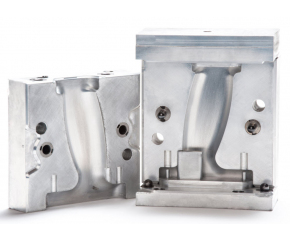
Mold Manufacturing
A successful molded product all starts with great tooling. From a simple single-cavity, open cast mold, to a complex multi-cavity transfer injection mold, we have the technology to machine it in house.
Learn More